

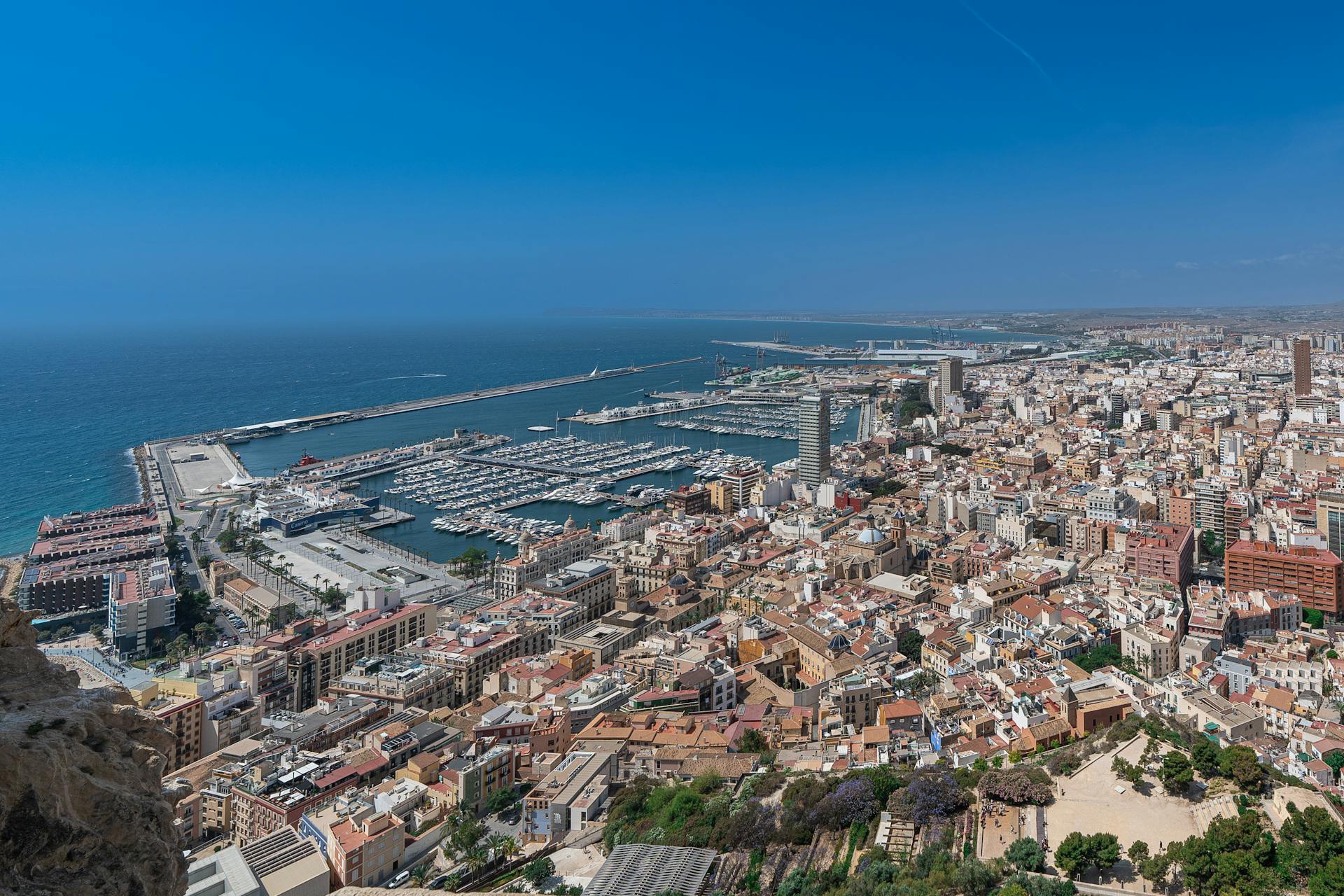
Alicante is the sun-drenched jewel of Spain’s Costa Blanca. Nestled along the Mediterranean coast in the Valencian Community, this vibrant city is famous for its wide, sandy beaches, its bustling palm-fringed seaside promenades, and the towering Santa Barbara Castle that watches over the harbor. From the historic streets of the colorful El Barrio district to the expansive golden sands of Playa de San Juan, Alicante is a paradise for travelers seeking sun, relaxation, and excellent Spanish gastronomy.
Because Alicante attracts millions of international travelers, students, and holidaymakers every year, questions about the local availability and legal status of cannabis are incredibly common. Spain is famous for its relaxed attitude toward personal use and its unique network of private cannabis clubs.
However, enjoying your holiday in Alicante without legal complications requires a clear, realistic understanding of how these laws are actually enforced in a busy coastal resort city. This guide provides you with essential legal facts, local insights, and practical safety tips so you can navigate Alicante with total peace of mind.
The Legal Reality: Is Weed Legal in Alicante?
To understand the legal landscape of cannabis in Alicante, you must understand Spain’s unique legal framework. Cannabis is not fully legalized in Spain, but it has been heavily decriminalized under a system that hinges entirely on the distinction between public and private spaces.
Under Spanish national law, specifically the Organic Law on Citizen Security (popularly known as the Ley Mordaza or Gag Law), the cultivation and consumption of cannabis for personal use are decriminalized only when conducted within a strictly private space. This means your own home or a rented private property where you have permission. You are also permitted to possess a reasonable amount of cannabis in a private setting, generally interpreted as up to 100 grams, as long as it is for your own personal consumption.
However, the moment you step out of a private space and into the public eye, the rules change completely.
Possessing, carrying, or consuming cannabis in any public place in Alicante, including public parks, street corners, historic plazas, tourist sights, or outdoor cafe terraces, is a serious administrative offense. If the police catch you with cannabis in public, they will confiscate the substance and issue you a substantial fine. Under the current law, these administrative fines start at 601 EUR and can scale up dramatically based on the circumstances. For a traveler, receiving a massive fine from Spanish authorities is a stressful complication that can easily ruin a holiday.
Furthermore, the sale, trade, or distribution of cannabis remains a serious criminal offense under the Spanish Penal Code. If you are caught with quantities that suggest an intent to sell, or if you are carrying packaging materials, scales, or large amounts of cash, you will be arrested on drug trafficking charges. Spain’s courts hand down mandatory prison sentences for drug distribution, and being a foreign tourist will not shield you from prosecution.
The Cannabis Social Club (CSC) Scene in Alicante
You have likely heard of Spain’s Cannabis Social Clubs (CSCs). These are private, non-profit associations where members collectively cultivate and distribute cannabis for their own personal use in a secure, closed, and private environment. This model relies on a legal loophole regarding shared consumption in private spaces.
While Alicante does have a few active cannabis social clubs, accessing them as a tourist is not as simple as walking into a retail dispensary in North America or a coffee shop in Amsterdam.
Here is what you need to know about Alicante’s social clubs:
- The Membership Requirement: You cannot simply walk in off the street, show your passport, and buy cannabis. By law, these clubs are private associations. To join, you must be registered as a member. The registration process typically requires a valid government-issued ID proving you are over 18 (or in some clubs, over 21) and a registration fee, which usually ranges from 10 to 20 EUR for a temporary or annual membership.
- The Sponsor Rule is Strictly Enforced: To prevent these clubs from acting as public tourist shops, the legal framework dictates that new members should ideally be sponsored or recommended by an existing member. While some clubs in coastal resort towns may overlook this rule, clubs in Alicante are highly traditional, private, and discreet. Many will strictly turn away uninvited walk-ins at the door to avoid legal scrutiny from local authorities.
- On-Site Consumption Only: Legally, the cannabis you acquire inside a social club must be consumed within the private confines of the club itself. Walking out of the club with cannabis in your pocket immediately exposes you to the risk of public possession fines if you are stopped by police outside.
If you plan to visit a social club in Alicante, the best approach is to research them online and contact them politely via email or social media several weeks before your trip to ask about their specific registration requirements for foreign visitors.
Sourcing Cannabis in Alicante: Street Risks and Beach Scams
Because the social club system is highly private and regulated, some tourists make the mistake of attempting to purchase cannabis from street dealers. In Alicante, this is an exceptionally high-risk activity that is strongly discouraged.
Alicante is a safe and peaceful city, but the street-level drug market operates in the shadows and carries significant dangers:
- Targeted Areas and Police Presence: Street dealers typically operate in the tourist-heavy nightlife areas of El Barrio, around the central train and bus stations, or directly on the beach promenades like the Explanada de España. However, the local police (both the Policía Local and the Policía Nacional) are fully aware of these hotspots. Plainclothes officers frequently patrol these areas, and engaging in a street transaction is a quick way to get arrested or fined.
- Beach Peddlers and Scams: On beaches like Playa del Postiguet, you may encounter lookouts or illegal vendors offering to sell “weed” or “hash” directly to tourists on their beach towels. These transactions are almost always scams. The products sold are often of exceptionally low quality, cut with harmful substances, or fake. Additionally, buying on the beach leaves you completely exposed to police surveillance.
- Physical Danger: Meeting a stranger in a dark, isolated alleyway in an unfamiliar city late at night exposes you to the very real risk of mugging, extortion, and physical violence.
The safest and most sensible rule for your trip to Alicante is simple: do not buy cannabis on the street or the beach.
CBD and Hemp Products in Alicante
If you are looking for the therapeutic benefits of cannabis without the psychoactive effects of THC, you will find that CBD products are widely available in Alicante. The city has several specialized hemp boutiques and natural wellness shops selling CBD oils, cosmetics, and topicals.
However, you must be cautious regarding dried CBD flowers:
- The CBD Flower Gray Area: While CBD oils and creams containing less than 0.2% THC are fully legal to buy and use, dried CBD buds and flowers exist in a challenging legal gray area. Under Spanish regulations, dried hemp flowers are officially registered as “ornamental” or “collection” items and are not legally intended for human consumption or inhalation.
- The Risk of Police Confusion: If you carry dried CBD flowers in public, local police officers cannot distinguish them from illegal, high-THC marijuana without conducting a laboratory test. If you are stopped with CBD buds, the police will confiscate them and likely issue you a standard public possession fine, leaving you to try and contest it through a complex legal appeal process later.
Local Etiquette and Safety Tips for Travelers
To ensure you have a safe, respectful, and memorable trip to Alicante, it is best to align your behavior with the local Spanish way of life.
Keep these practical safety guidelines in mind:
- Never Smoke on the Beach: Alicante’s municipal authorities have strict regulations regarding beach cleanliness and safety. Smoking of any kind (including regular tobacco) is heavily restricted or banned on many of Alicante’s main beaches to protect the environment and maintain a family-friendly atmosphere. Smoking cannabis on the beach is highly visible, socially disapproved of, and will quickly result in a heavy police fine.
- Keep It Discreet in Accommodations: If you are staying in a rented apartment or hotel in Alicante, be highly mindful of the smell. Spanish apartment buildings are often closely packed, and neighbors or hotel staff will not hesitate to call the authorities if they detect strong cannabis odors. Always ensure you have explicit permission or stick strictly to private, well-ventilated outdoor areas.
- Zero-Tolerance for Driving: If you rent a car to explore the stunning mountain village of Guadalest or the beautiful coastal town of Altea, never drive under the influence. Spain has a strict, zero-tolerance policy for drug-impaired driving. Roadside police checkpoints are common, particularly on coastal highways during the summer. Officers utilize highly sensitive saliva tests that can detect THC in your system hours after consumption. A positive test results in immediate loss of your license, heavy court fines, and potential criminal charges.
